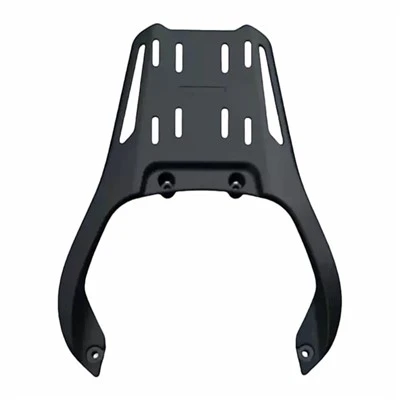

1. Why the tailstock has become a necessity for riding
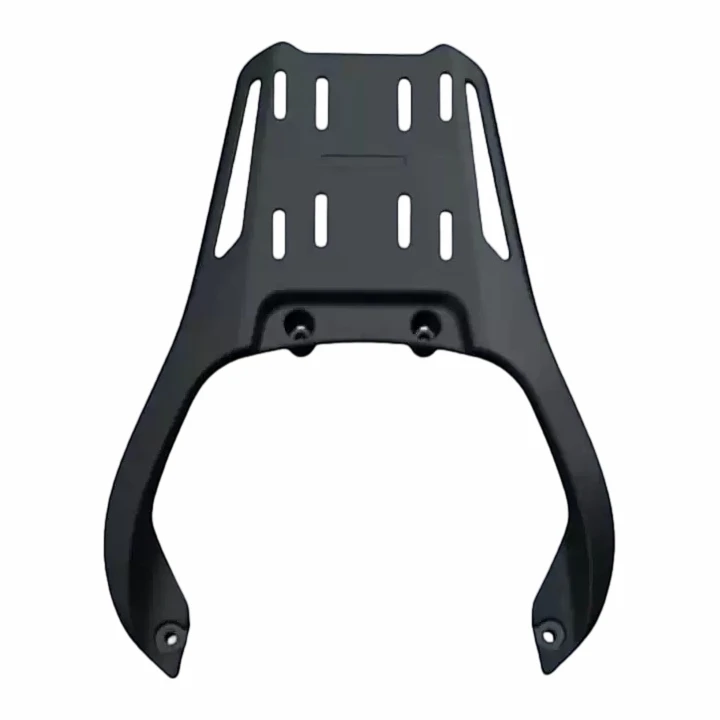
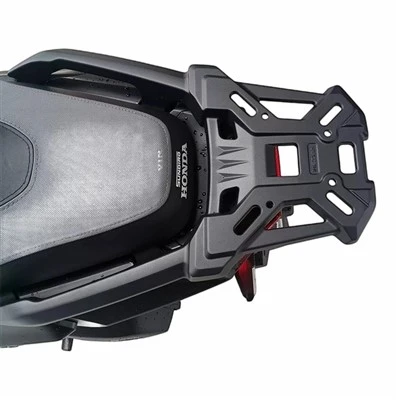
The tailstock of a motorcycle may seem simple, but it is actually the 'spine' of the cargo carrying system. In modern cycling scenarios, takeout boxes, travel bags and even photographic equipment all rely on it. An improperly designed tail rack may cause cargo to shift, the vehicle frame to deform, and even affect rear wheel grip. A high-quality tailstock needs to balance three points:
Mechanical design: The triangular structure is the most stable, and the load-bearing should be distributed to multiple points on the frame
Material evolution: from ordinary steel to aviation aluminum, the weight is reduced by 30% but the strength remains the same
Expansion interface: reserved modification holes are compatible with accessories such as saddlebags and top boxes
2. Three dimensions that must be mastered when purchasing
Choosing a tailstock requires more tailoring than choosing a helmet:
Adaptability principle: Measure the hole distance of the original car's rear armrest. If the error exceeds 3mm, an adapter plate must be installed.
Load-bearing classification:
Daily commuting: It is recommended to choose the 15kg level (one-sided mineral water tank is mounted)
Long-distance motorcycle tour: 30kg or above required (with three boxes fully loaded)
Protection details:
Rubber gasket thickness ≥2mm can avoid scratching the car paint
Quick-release design facilitates temporary cargo loading needs
3. Hidden knowledge points for long-term use
90% of tailstock damage is caused by neglect of maintenance:
Stress inspection: Check the screw tightness every month, especially after driving on bumpy roads.
Corrosion prevention: Apply antioxidants to aluminum alloy frames every quarter, and pay attention to rust-proof welding joints of steel frames.
Load taboos: It is strictly prohibited to apply heavy objects on one side in a static state (it can easily cause plastic deformation of the stent)