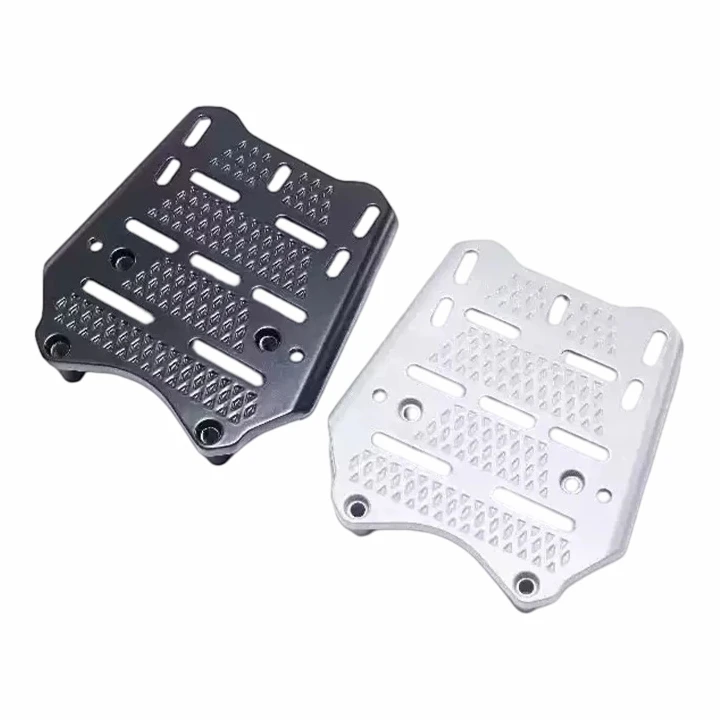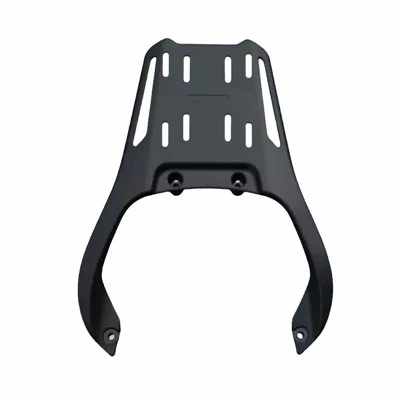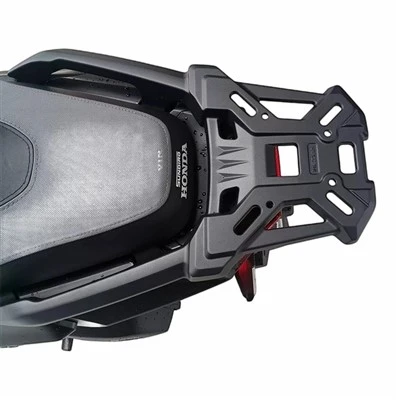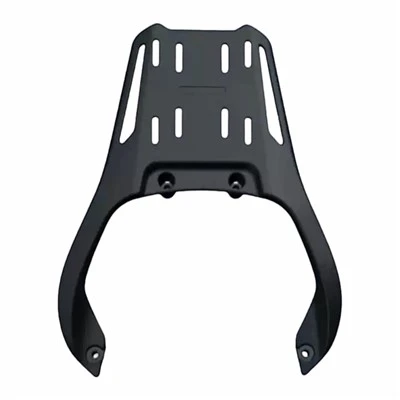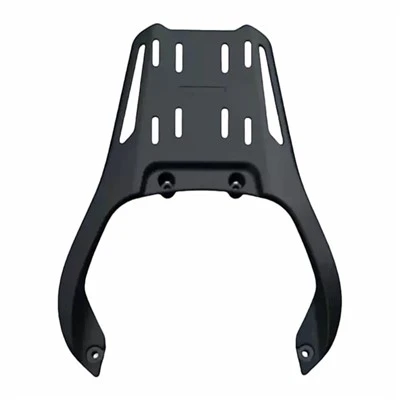

A motorcycle luggage rack cannot simply be fashioned by welding a random iron bar; it must account for three critical factors: leverage (moments), stress distribution in cantilevered structures, and the yield strength of the materials. While factory-designed racks are typically rated for a dynamic load of 15–20 kg, the addition of a top case shifts the center of gravity rearward, and the impact from road bumps can effectively double the actual stress. Aluminum-magnesium alloy racks are lightweight but prone to fatigue-induced deformation, whereas cold-rolled steel racks are heavier but offer greater stability. Furthermore, the welding method-full-seam welding being superior to spot welding, which in turn outperforms clip-on/mechanical fastening-is a key detail that determines whether the rack will eventually loosen, rattle, or fail. This is especially true for the Suzuki HJ125 ("Zuanbao") series; due to its unique rear swingarm configuration, a generic rack may interfere with the suspension travel. It is essential to use a rack specifically engineered for the model's unique curvature and mounting points-a discrepancy of even 1 mm could lead to the rack scraping against the fender or pressing into the brake cables.