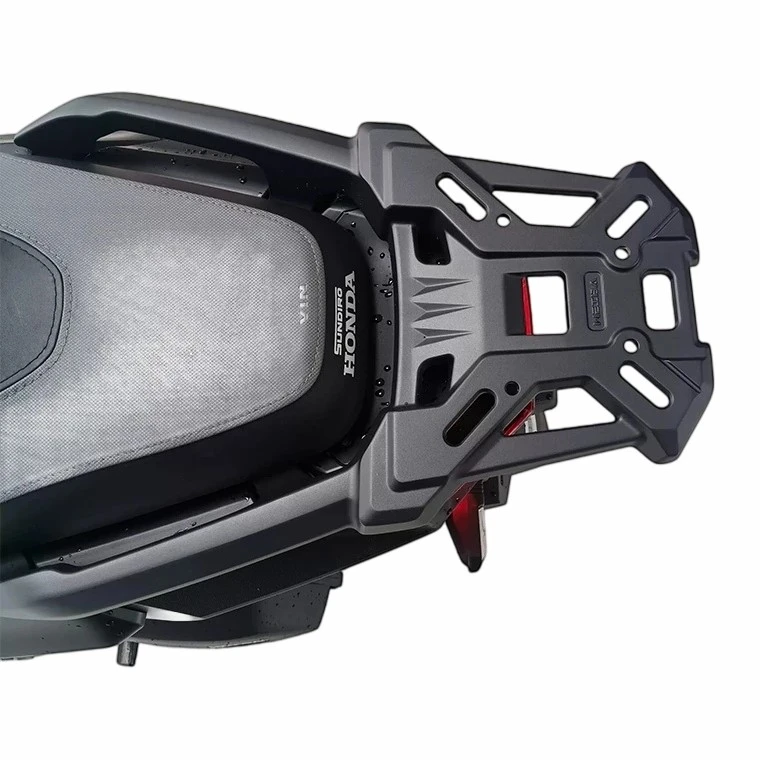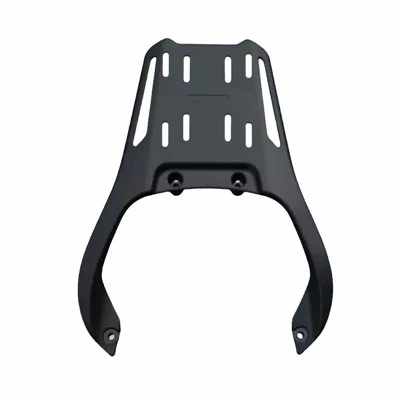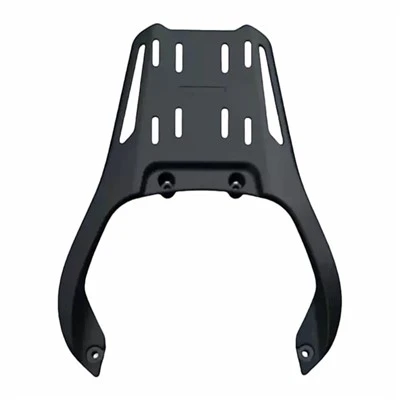

You mentioned the rear trunk bracket, which shows that you have clear needs for the loading capacity of the motorcycle. This usually corresponds to carrying a computer for daily commuting, short-distance motorcycle trips on weekends, or luggage expansion during long-distance riding. The bracket serves as a "bridge" connecting the body and the trunk. Its stability and adaptability directly determine your riding safety and the service life of the trunk.
1. Installation method and adaptability Currently, the brackets on the market are mainly divided into two categories: car-specific and universal. The car-specific model is molded and manufactured according to the original factory reserved holes of a specific car model. It can be installed basically without damage, has a high degree of fit, and is more reliable in load-bearing. The universal type is adapted to a variety of models through clips or iron plates and is highly flexible, but it may require fine-tuning of the hole positions or even drilling holes at the bottom of the box, which will increase the difficulty of disassembly and assembly, and may also affect waterproofing and aesthetics. If you are more concerned about the integrity of the vehicle, it will be more worry-free to give priority to the special model.
2. Material and load-bearing: The bracket is exposed to wind, rain and vibration for a long time, so the material is very important. Aluminum alloy and stainless steel are the mainstream choices, the former is lightweight and rust-proof, and the latter is stronger. In terms of load-bearing, it is recommended to match the volume of the trunk you plan to install. Generally, for trunks above 40L, it is recommended to choose a bracket with a higher load-bearing limit to avoid breakage due to resonance on bumpy roads. Be sure to confirm that all bolts are tightened in place during installation. It is best to use thread glue to prevent loosening.
3. Regulations and Compliance I would like to remind you here that motorcycles are motor vehicles. According to relevant national regulations, changing the vehicle structure without permission (including adding a trunk bracket) may be illegal modification. If the original factory trunk was not equipped when you purchased the car, it is recommended to consult the local vehicle management office or check the technical parameters on the vehicle registration certificate before installing it to confirm whether the installation is allowed and whether filing is required. Otherwise, if you are caught by the traffic police on the road, you may face a fine or even be ordered to restore your status quo.
4. Check points after installation After installation is completed, it is recommended to ride for a certain distance at low speed to feel the change in the vehicle's center of gravity. The combination of the bracket and the trunk will increase the weight of the rear, which may have a slight impact on handling at high speeds, especially when cornering. Regularly checking whether there are cracks at the connection between the bracket and the frame and whether the bolts are loose is a necessary habit to ensure long-term safe use.
Buying advice
Mainly for daily commuting: Choose a lightweight aluminum alloy bracket and match it with a 30-40L trunk to take into account both aesthetics and practicality.
Mainly for long-distance motorcycle tours: Priority is given to stainless steel brackets, paired with large-capacity trunks above 45L, and confirm that the upper load-bearing limit of the brackets is higher than the full weight of the trunk.
Holes reserved by the original factory: Priority is given to purchasing the car-specific model, which is easy to install and has higher reliability.