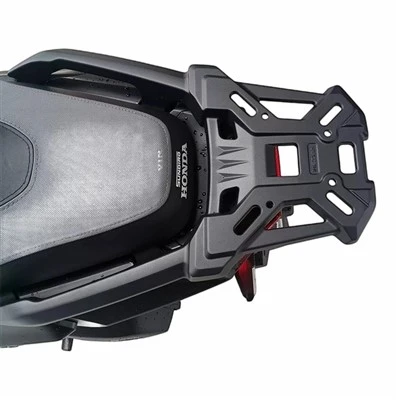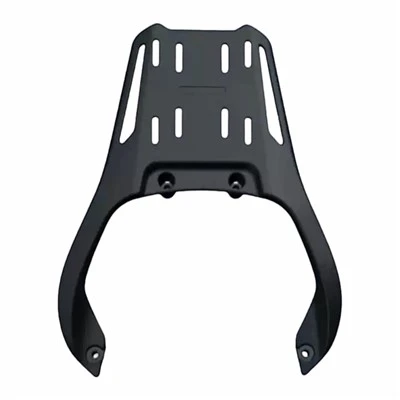

Designing a cargo-carrying structure for the rear of a motorcycle is not as simple as merely bolting on a steel plate. From an engineering perspective, the rear suspension pivot points on a V-twin frame (such as that of the Longjia V-Ba 250) are splayed outward; a conventional, flat rear rack would cause uneven stress distribution. Under the constant vibration of the road, this leads to weld fatigue and increased instability-potentially even compromising the tracking of the rear wheel. In contrast, a backrest-style rear rack-designed in alignment with the manufacturer's original structural logic-utilizes an inclined support system combined with dual lateral braces. This configuration channels the load naturally along the main frame beams, minimizing torsional deformation. Such a design isn't about maximizing cargo capacity; it's about maintaining the motorcycle's dynamic balance whenever it's loaded-ensuring that, whether you're commuting in the city or carrying gear for a weekend excursion, stability remains far more important than sheer size.
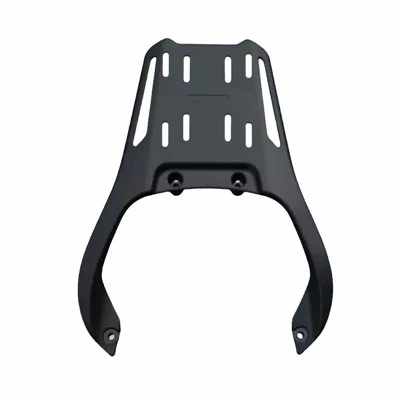
1 DIY Motorcycle Rear Rack (Universal)
● Universal-fit aluminum carrier for scooters and motorcycles...