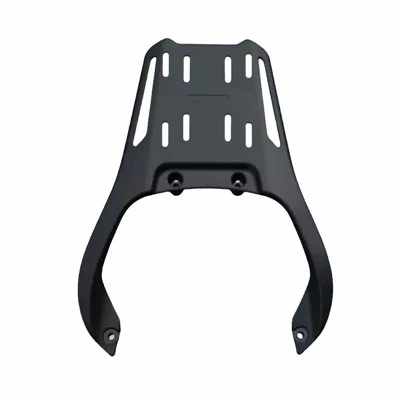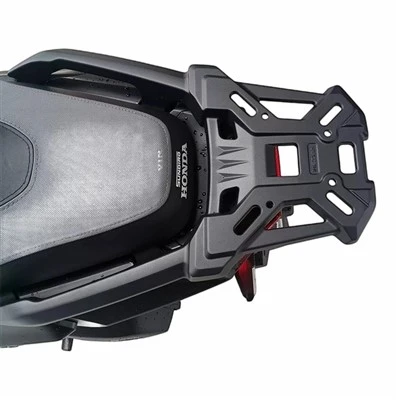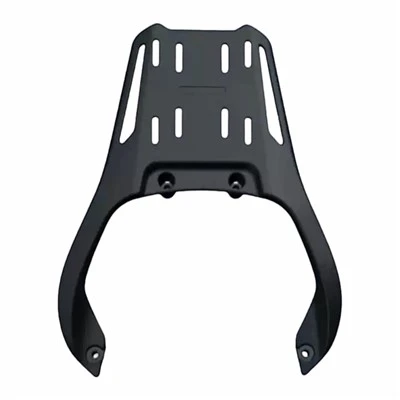

The load-bearing capacity of an aluminum alloy rear rack for a scooter varies based on factors such as design and materials. Generally, this capacity is relatively limited; therefore, you should always refer to the specific product documentation or consult the manufacturer for precise load limits.
Typical Load-Bearing Range
In most cases, the load-bearing capacity of an aluminum alloy rear rack is quite limited. For instance, some factory-installed aluminum rear racks for motorcycles may only support around 10 kg. This indicates that standard aluminum racks are not designed to carry heavy loads.
High-Capacity Specialized Designs
However, there are specialized aluminum rear racks engineered for higher load capacities. For example, certain racks designed for models like the Yamaha TMAX 560 feature reinforced construction, allowing them to support up to 100 catties (200 jin). Such racks are typically custom-made for specific vehicle models to accommodate the need for carrying heavier items.
Important Considerations
Consult Product Documentation: Because load-bearing capacity varies by design and material, always review the product documentation carefully before purchasing or using a rack to understand its specific limits.
Avoid Overloading: To ensure riding safety, do not exceed the rack's rated load capacity. Carrying items that are too heavy can lead to a loss of vehicle control or damage to the rack itself.
Contact the Manufacturer: If you are unsure about a rack's load-bearing capacity, reach out to the manufacturer or a qualified mechanic to obtain accurate information.
In summary, the load-bearing capacity of an aluminum alloy rear rack for a scooter depends on its design and materials. Users should carefully check the product specifications and ensure they do not exceed the recommended load limits during use.